DASH Event
AI & the Future of Medicine: Bridging AI Innovation and Health Equity
November 15 - November 16, 2025
AI & the Future of Medicine
Bridging AI Innovation and Health Equity
A weekend of interactive panel discussions with audience participation, hands-on collaborative workshops in mixed teams of experts, researchers, clinicians, students and patients partners - plus meaningful networking opportunities!
Dates: Saturday, November 15 and Sunday, November 16, 2025
Location: Life Sciences Centre, 2350 Health Sciences Mall, UBC Point Grey Campus, Vancouver
Hosted by: DASH Research Cluster, UBC Department of Medicine, in collaboration with MIT Critical Data

Overview
Join us for a 1.5-day event exploring the intersection of artificial intelligence, health equity, and ethics in healthcare. DASH in collaboration with MIT Critical Data, will host AI & the Future of Medicine, featuring expert panels, interactive workshops, and a keynote by Dr. Leo Celi, Clinical Research Director & Senior Research Scientist, MIT Laboratory for Computational Physiology. This event brings together clinicians, researchers, healthcare professionals, students, and patients to learn, exchange ideas, and collaboratively explore challenges, opportunities, and solutions for building a more equitable future in health AI.

Event Registration
Session | Registration |
|---|---|
Day 1 – Health AI Summit (Online or In-Person) Saturday, November 15, 1:00PM - 5:30PM | - Registration Closed - |
Day 2 – Collaborative Workshops (In-Person only) Sunday, November 16, 8:45AM - 4:30PM | - Registration Closed - |
- Attendance limit:
- Day 1: 200 attendees - Registration Closed -
- Day 2: 80 attendees - Registration Closed -
- In-person venue: Life Sciences Centre, UBC Vancouver Campus, 2350 Health Sciences Mall, Vancouver, BC V6T 1Z3
Program Schedule (subject to change)
Saturday, November 15 – Health AI Summit
Time | Day 1 Session |
1:00 PM | Registration and Coffee |
1:30 PM | Welcome and Land Acknowledgement |
1:40 PM | Keynote Speaker Dr. Leo Celi, MD, MPH, MSc Clinical Research Director & Senior Research Scientist, MIT Laboratory for Computational Physiology "AI and the Future of Medicine: Teaching Machines to Doubt" |
2:15 PM | Panel 1: Hope, Hype, or Reality: What AI Means for Health Education, Research, and Patient Care |
3:15 PM | Coffee Break |
3:30 PM | Panel 2: From AI Bias to AI By Us. Who does AI Benefit? |
4:30 PM | Refreshments and Networking |
Time | Day 2 Session |
8:45 AM | Registration and Breakfast |
9:15 AM | Welcome, Land Acknowledgement, Introduction to Program |
9:30 AM | Workshop: Health AI Systems Thinking for Community |
11:00 AM | Coffee Break |
11:15 AM | Tutorial: Problems with Large Language Models (LLMs) |
12:30 PM | Lunch |
1:30 PM | Workshop: Collaborative LLM Evaluation - Can we break AI chat bots? |
3:30 PM | Refreshments and Networking |
Keynote Speaker
Dr. Leo Celi MD, MPH, MSc
Senior Research Scientist, Massachusetts Institute of Technology and Clinical Research Director, Laboratory of Computational Physiology
AI and the Future of Medicine: Teaching Machines to Doubt
Current AI systems pose significant risks due to their overconfidence, particularly in healthcare where they present false information with the same certainty as accurate data, leading to dangerous automation bias where humans over-rely on seemingly confident systems. We propose embedding "curiosity and humility" into AI architecture—designing systems that actively assess their own limitations, provide calibrated confidence estimates, issue explicit warnings when operating outside their training data, and implement escalation protocols to engage human experts when uncertainty is high. Rather than pursuing algorithmic certainty, we advocate for transparent human-AI partnerships that amplify human capacity for ethical reasoning and compassionate care, with success measured not just by accuracy but by how well systems promote thoughtful collaboration and equitable outcomes across diverse populations. The goal is to create AI that acts as a humble partner that knows when to pause, question its outputs, and defer to human insight rather than replacing human judgment with overconfident automation.
About the Speaker:
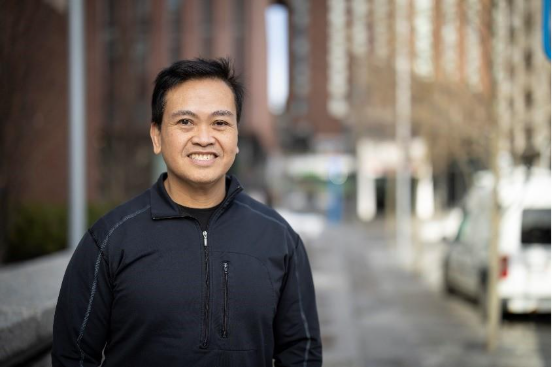
Dr. Celi is the principal investigator behind the Medical Information Mart for Intensive Care (MIMIC) and its offsprings, MIMIC-CXR, MIMIC-ED, MIMIC-ECHO, and MIMIC-ECG. With close to 100k users worldwide, an open codebase, and close to 10k publications in Google Scholar, the datasets have undoubtedly shaped the course of machine learning in healthcare in the United States and beyond. In partnership with hospitals, universities and professional societies across the globe, Dr. Celi and his team have organized over 50 datathons in 22 countries, bringing together students, clinicians, researchers, and engineers to leverage data routinely collected in the process of care.
Day 1: Panels
Panel 1: Hope, Hype, or Reality: What AI Means for Health Education, Research, and Patient Care
Artificial intelligence promises to transform medicine, from training future health professionals to conducting research and delivering care. But will it truly reshape the field, or is it overhyped? This panel brings together faculty, a medical student, and a public health leader for a candid debate on what they hope AI will achieve, what they fear it might undermine, and what these changes could mean for patients and the public in 2035. Attendees will also have the opportunity to contribute their own perspectives and vote on key questions, making this an engaging and interactive discussion.
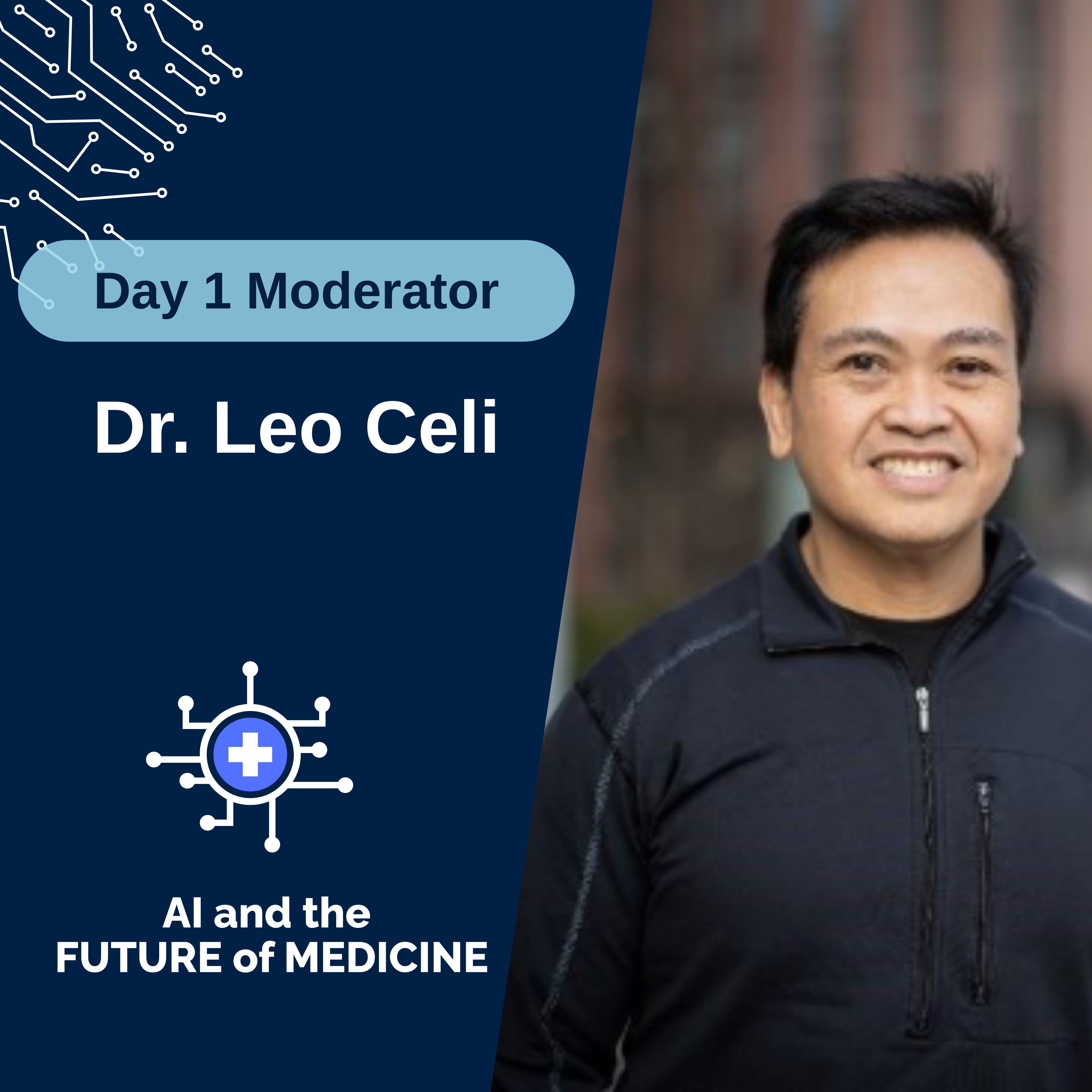
Dr. Leo Celi
Senior Research Scientist, Massachusetts Institute of Technology
Clinical Research Director, Laboratory of Computational Physiology
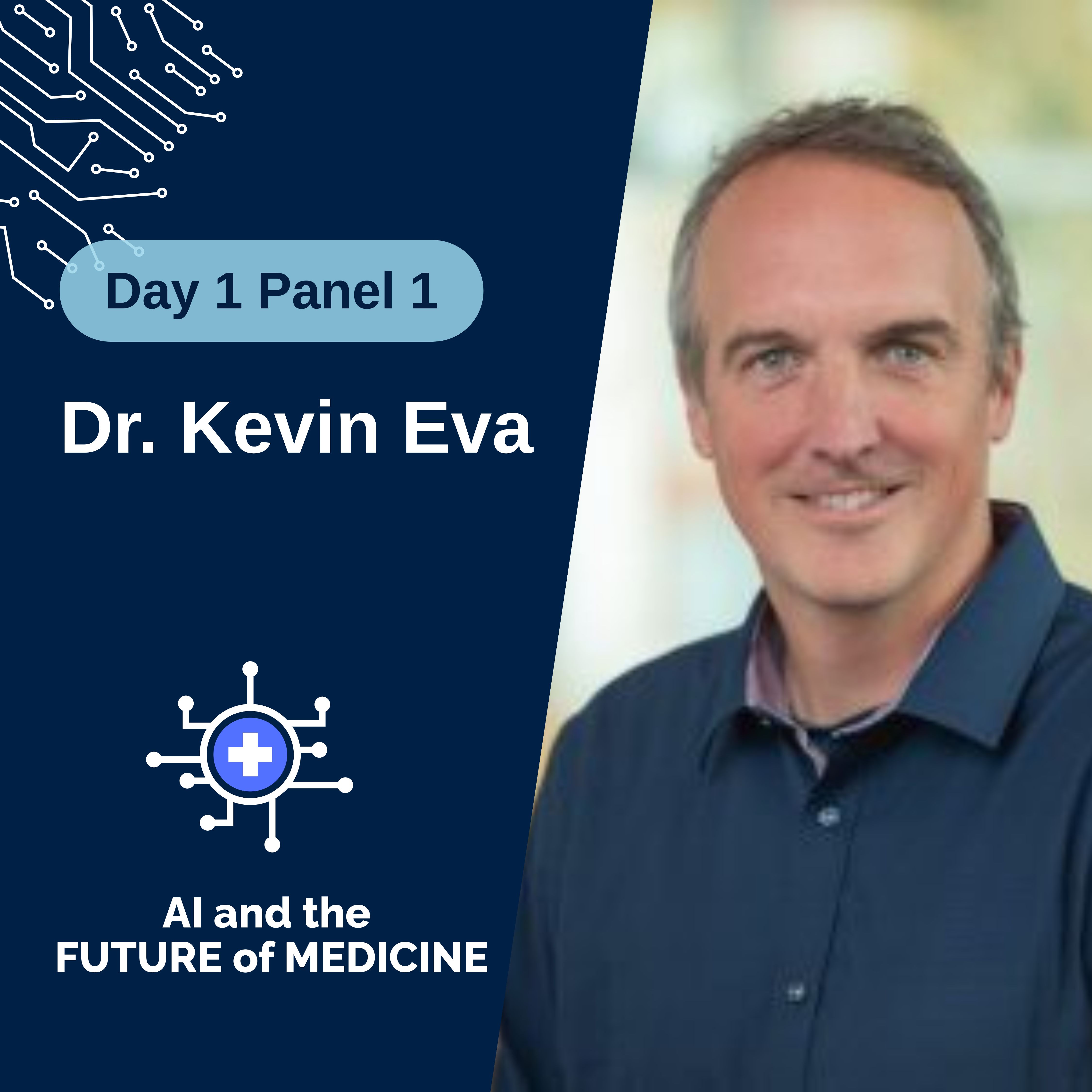
Dr. Kevin Eva
Associate Director, Centre for Health Education Scholarship (CHES), UBC
Dr. Kevin Eva is Associate Director and Scientist in the Centre for Health Education Scholarship, and Professor and Director of Educational Research and Scholarship in the Department of Medicine, at the UBC. He completed his PhD in Cognitive Psychology (McMaster University) in 2001 and became Editor-in-Chief for the journal Medical Education in 2008. Dr. Eva maintains a number of international appointments including Visiting Professor at the University of Bern (Switzerland), Honorary Professorial Fellow at the University of Melbourne (Australia), and Researcher at Maastricht University (the Netherlands). He has consulted broadly around the globe including advisory roles for the National Board of Medical Examiners (US) and National Health Services Education (Scotland). He co-founded the Maastricht-Canada Master of Health Professions Education program and works extensively with groups like the College of Physicians and Surgeons of British Columbia.
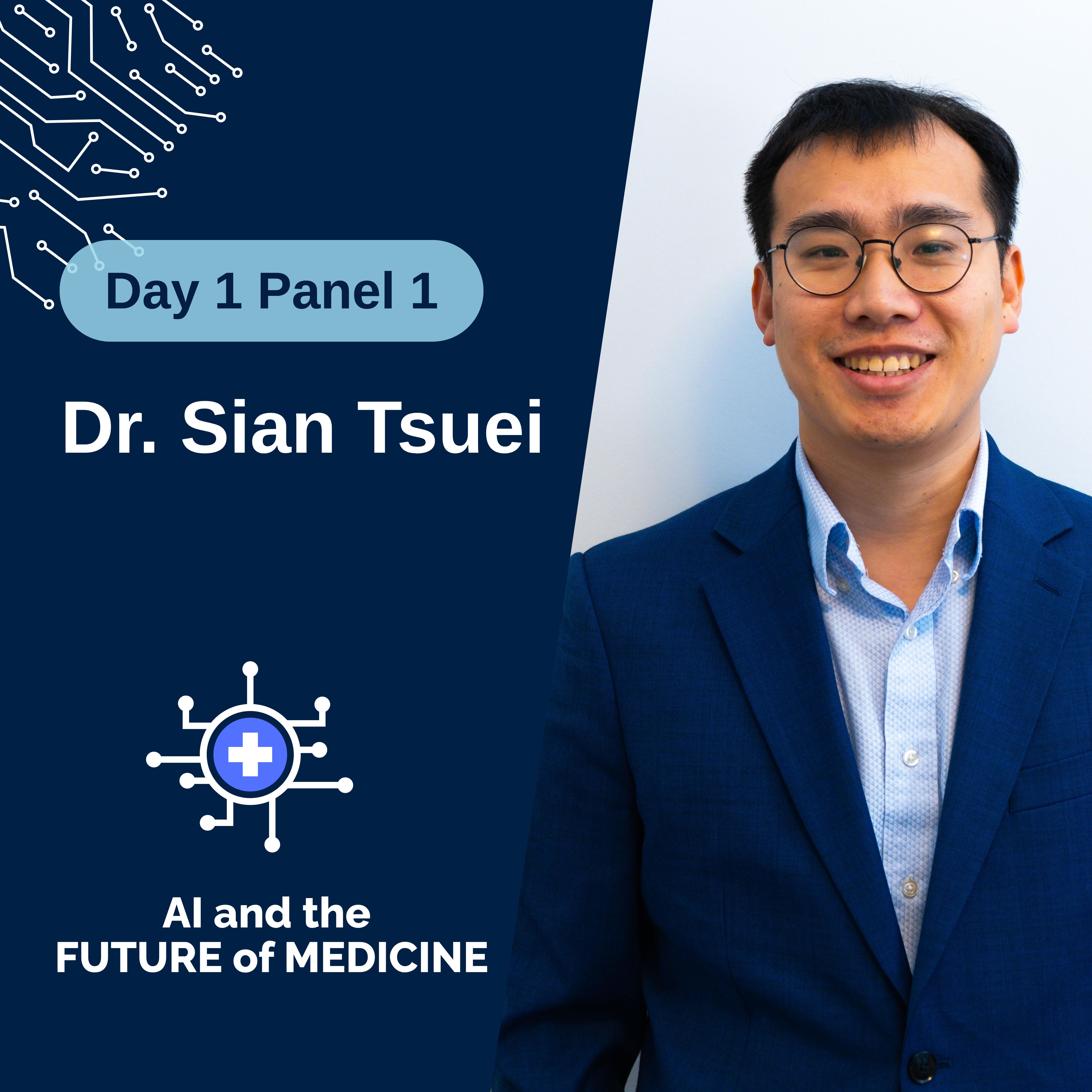
Dr. Sian Tsuei
Clinical Assistant Professor, Department of Family Practice
Adjunct Professor, Faculty of Health Sciences, Simon Fraser University
Dr. Sian Tsuei (“Shawn Tsu-ay”) is a practicing family physician with a Master’s of Health Sciences from UBC and Population Health Sciences PhD from Harvard University’s T H Chan School of Public Health. He is currently Clinical Assistant Professor in UBC’s Department of Family Practice; Associate Faculty in UBC’s School of Population and Public Health; Adjunct Professor at SFU’s Faculty of Health Sciences; and Visiting Scientist at Harvard University. He is actively developing a research agenda to better understand how artificial intelligence will affect the health system, particularly around physician and patient behaviour and their interactions. He serves on the AI Advisory Group of The College of Family Physicians of Canada (CFPC).
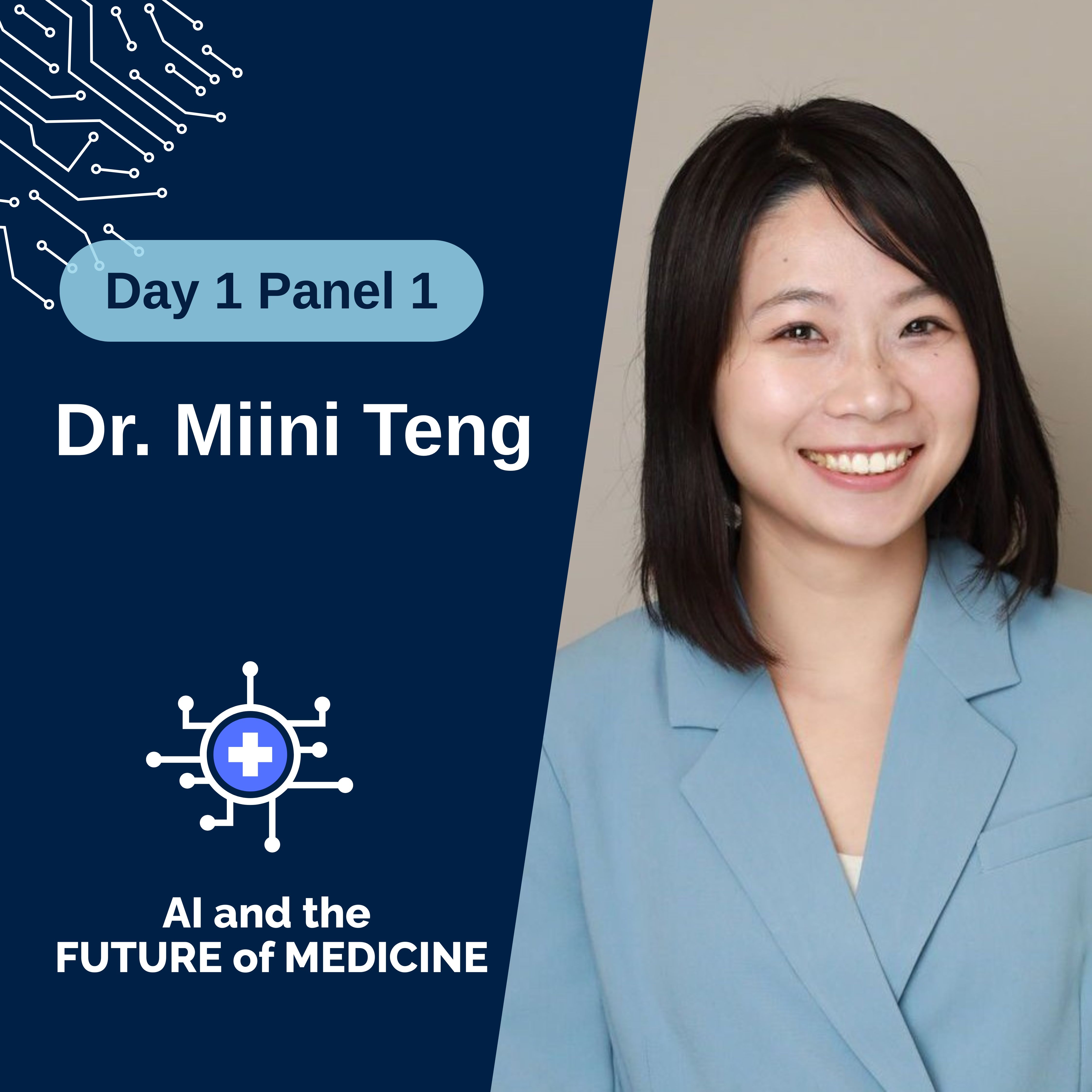
Dr. Miini Teng
Resident Physician, PGY2, Combined Public Health & Preventive Medicine and Family Medicine
Clinical Faculty, Department of Occupational Science & Occupational Therapy
Dr. Miini Teng is a resident physician, data scientist, occupational therapist and clinical instructor. Through the AI, technology and environmental health lab, she leads interdisciplinary projects exploring how clinicians, engineers, and patients engage with digital tools—from AI-assisted assessments to sustainable health innovation. She conducted a randomized controlled trial comparing human- versus AI-administered occupational therapy assessments and has developed and taught AI and digital literacy modules to healthcare students emphasizing ethics and responsible AI. Her work centers on advancing ethical, equitable, and environmentally responsible integration of technology in health education and healthcare.
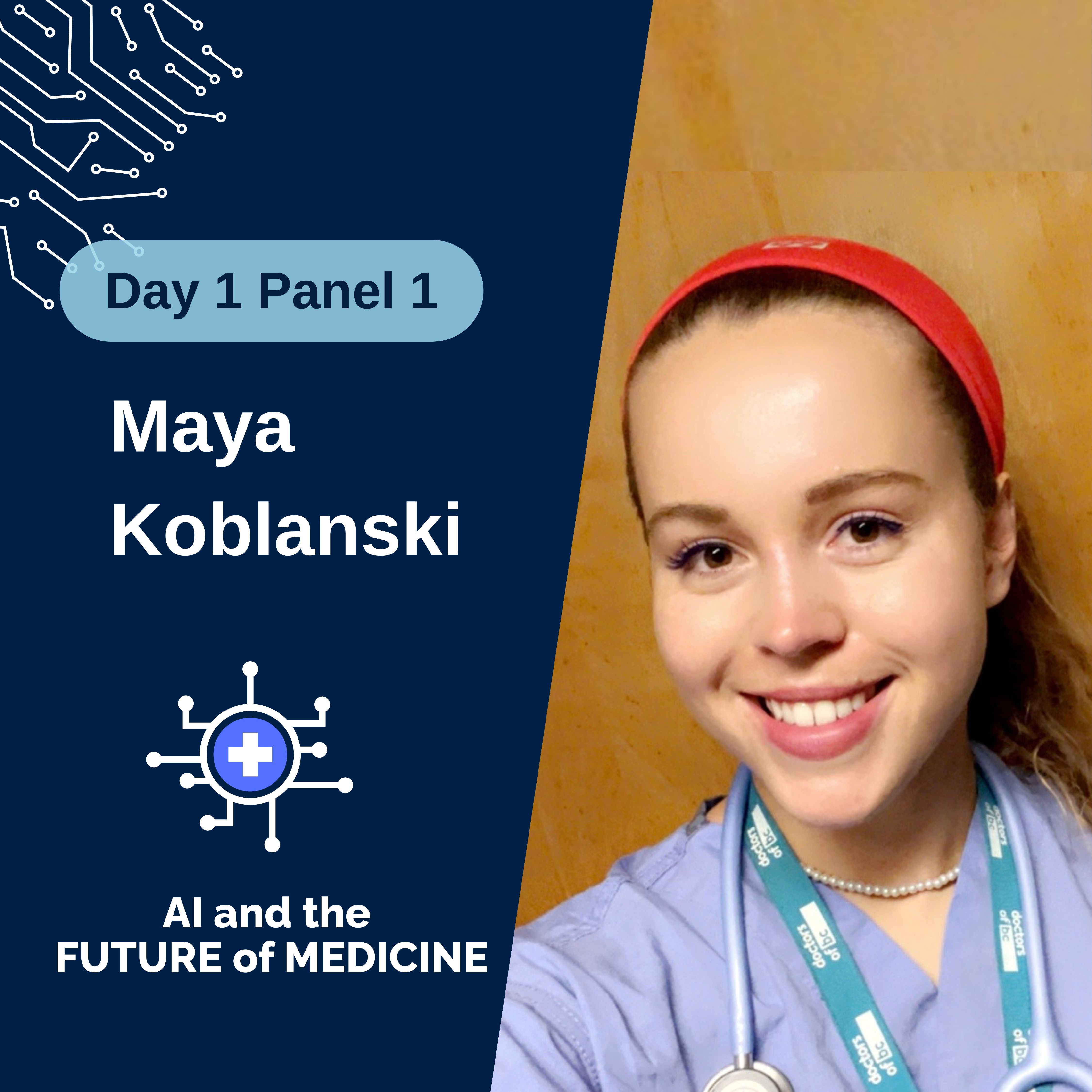
Maya Koblanski
3rd year medical undergraduate student
Maya Koblanski is a third-year Faroese-Canadian medical student at UBC passionate about the intersection of artificial intelligence and healthcare. Fluent in multiple languages and experienced in interdisciplinary collaboration, she brings a learner’s perspective to AI’s evolving role in medicine. Maya co-led the first UBC Medicine Datathon, helped create an AI and Data Science module for healthcare students, and contributes to research on AI in medical education. Outside clinical rotations, she enjoys sprint interval training, hiking in Scandinavia, and mentoring peers.
Panel 2: From AI Bias to AI By Us. Who does AI Benefit?
As artificial intelligence becomes more common in healthcare, important questions are emerging: Who owns our health data and benefits from it? Who decides which AI tools hospitals use—and who’s accountable when they fail? This panel explores how AI can unintentionally leave out or harm certain groups, and what it takes to build systems that truly reflect the needs of all patients. We’ll discuss how to ensure diverse and representative data, respect patient consent and Indigenous data sovereignty, and rethink how hospitals choose technologies. Join us as we ask: How can we move from being passive users of AI to active participants in shaping it?
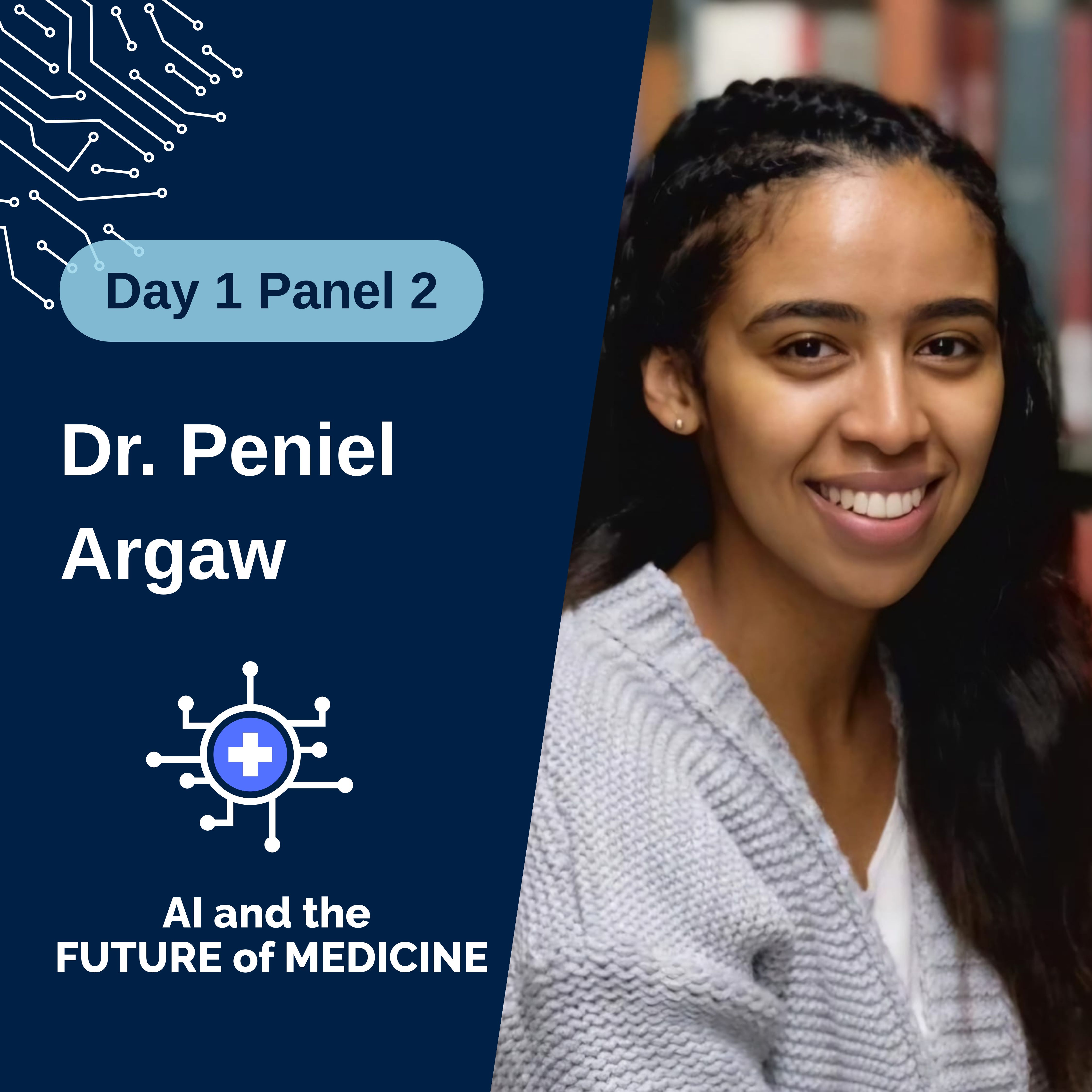
Dr. Peniel Argaw
Senior Researcher, Microsoft Research
Dr. Peniel Argaw is a Senior Researcher at Microsoft Research. Her research explores real-world evidence for clinical decision-making, with a particular focus on leveraging multimodal data to assess treatment effect and outcomes. Peniel obtained a PhD from Harvard University, where her research focused on unsupervised learning for clinical phenotype discovery, and identifying correlated and causal factors of disease heterogeneities. Prior to that, she received her B.S. and M.Eng. from MIT. She was a recipient of the Harvard Graduate Prize Fellowship, and currently serves as General Chair for the Machine Learning for Health Symposium.
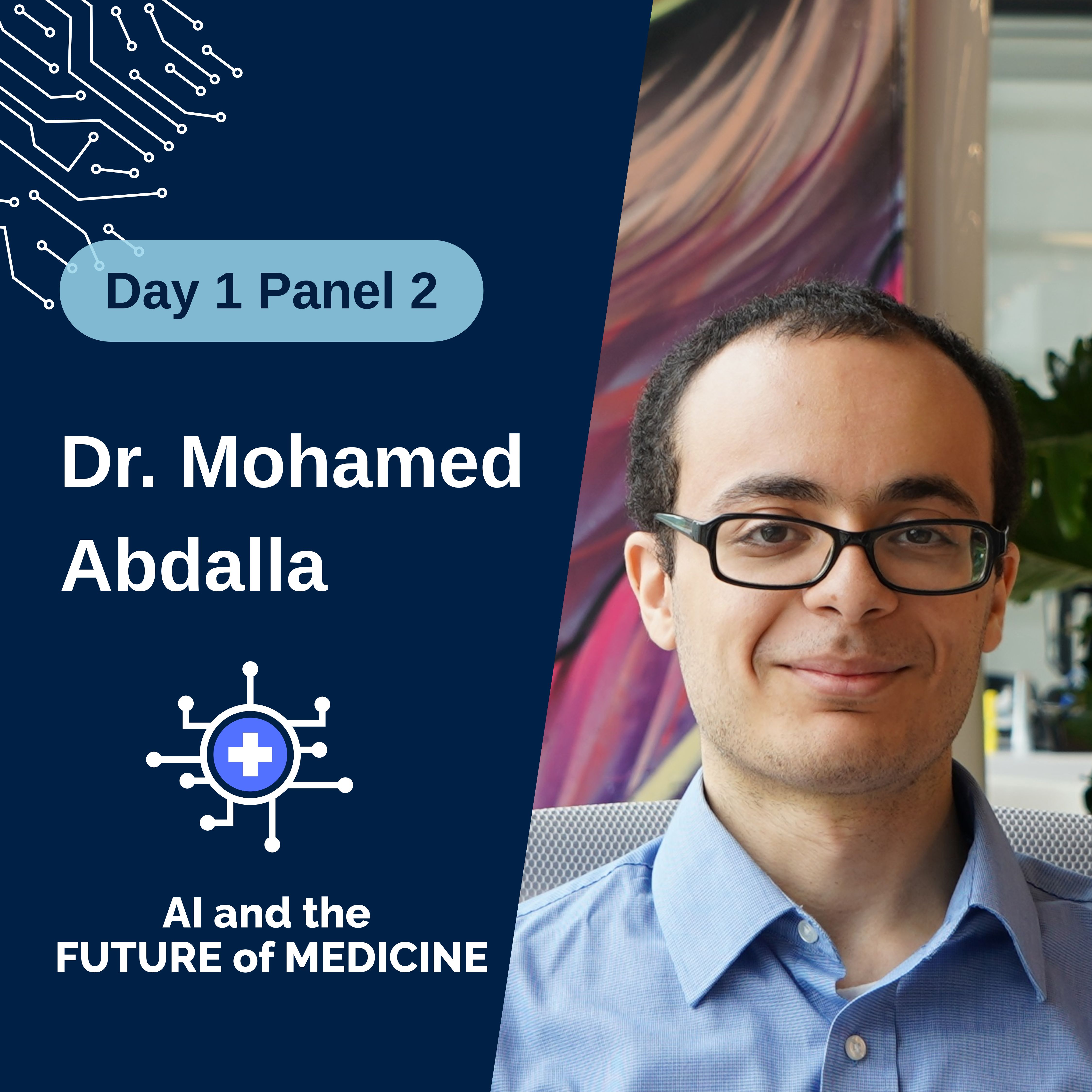
Dr. Mohamed Abdalla
Assistant Professor, Faculty of Medicine & Dentistry, University of Alberta
Dr. Mohamed Abdalla is an Assistant Professor in the Department of Medicine and Adjunct in Computing Science at the University of Alberta. He received his PhD from the Department of Computer Science at the University of Toronto. He has previously worked with multiple hospitals and healthcare systems across Canada and internationally.
His research interests lie at the intersection of natural language processing, clinical informatics, and AI ethics. He is specifically interested in identifying and addressing gaps in the translation of academic AI research to real-world clinical deployments. His work has received international media coverage from publications such as WIRED magazine, The Washington Post, and Fast Company among others.
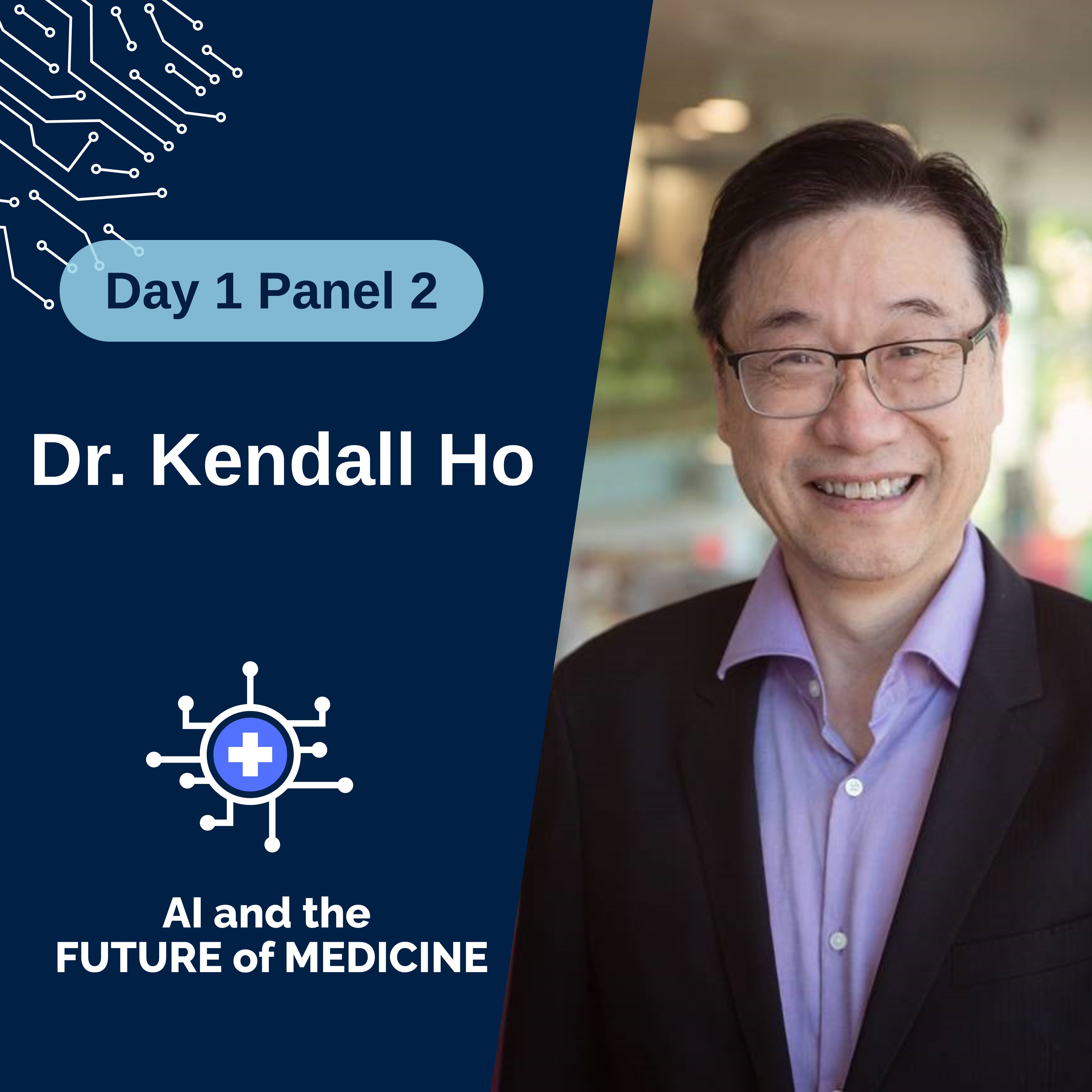
Dr. Kendall Ho
Professor, Department of Emergency Medicine, UBC
Dr. Kendall Ho is a professor in the Faculty of Medicine at the University of British Columbia, an emergency medicine specialist with over 35 years of clinical experience, Medical Director of the BC Ministry of Health HealthLink BC (811) Virtual Physicians Service, and conduct evaluation of the BC Real Time Virtual Support Network (RTVS). A pioneer in digital emergency medicine, Dr. Ho has led award-winning research for over 27 years in areas such as telehealth, wearables, machine learning, public engagement, and digital health literacy. At UBC, he leads the Artificial Intelligence and Technology Enhanced Care Collaboration Centre (AiTECCC) research excellence cluster, bringing together patients, policymakers, clinicians, technologists, and researchers to drive innovation in AI for health. Nationally, he leads the National 811 Knowledge Exchange Network since 2025. He collaborates with provincial, national, and international health organizations to advance evidence-informed digital health policy and implementation.
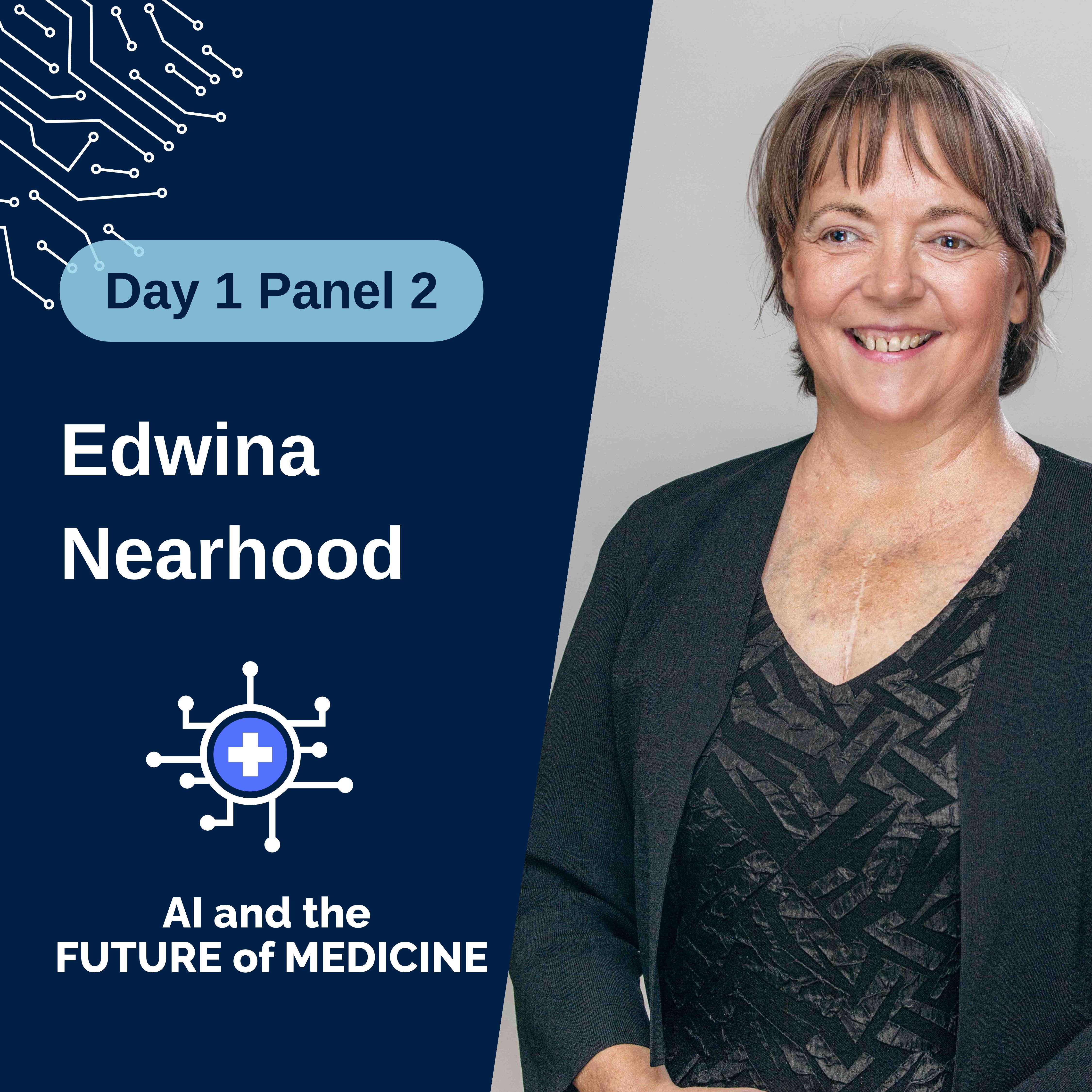
Edwina Nearhood
AACI, P. App, Accessibility Advocate, Patient Partner
Edwina Nearhood is a heart transplant patient managing her care from rural BC. She is blind and depends on AI in many aspects of her day to day life. Her professional experience includes past president of the Appraisal Institute of Canada, BC Association, Board member for the Property Assessment Appeal Board and over thirty years of data science research experience. She offers a unique perspective into AI bias.
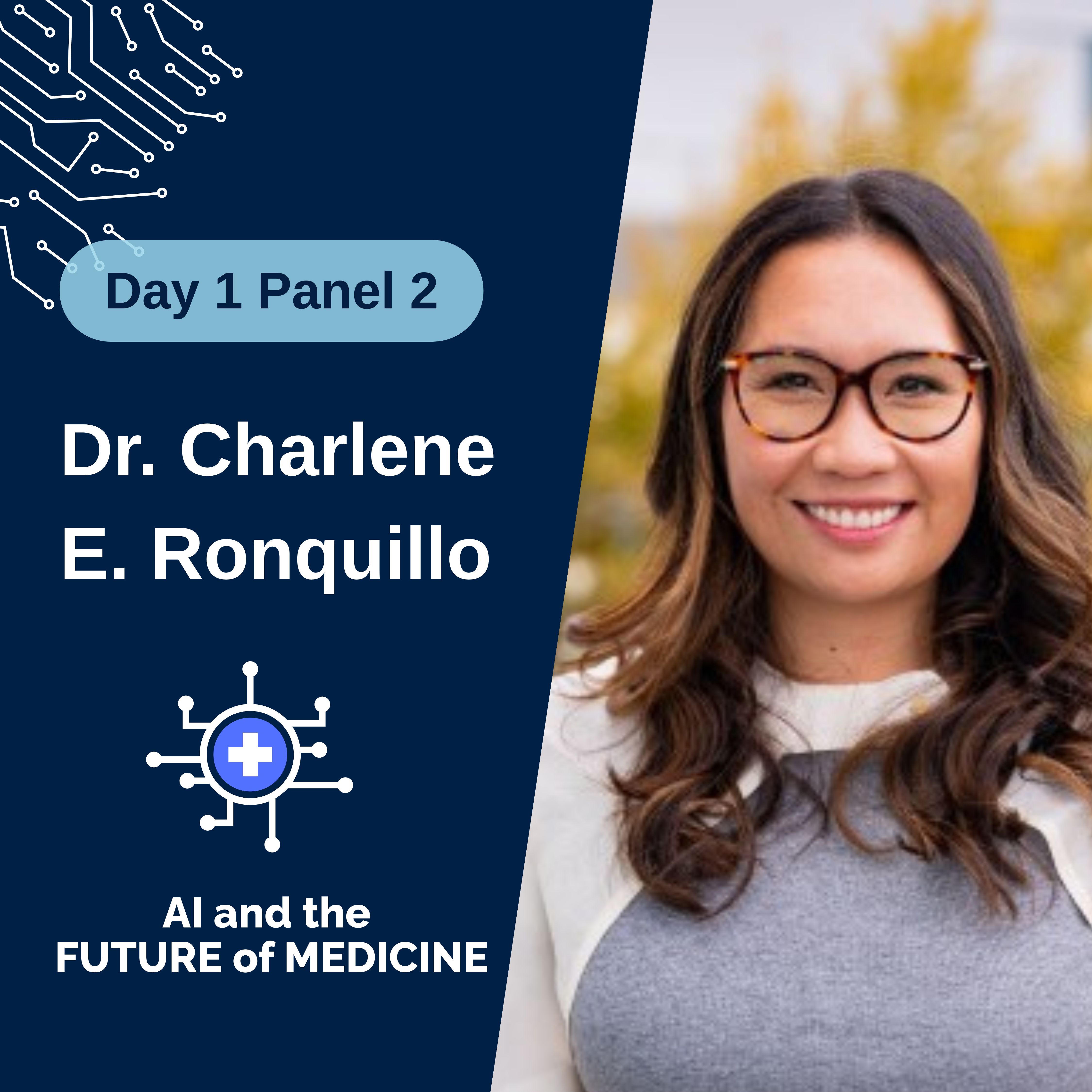
Dr. Charlene E. Ronquillo
Registered Nurse, Assistant Professor, School of Nursing, UBC Okanagan
Dr. Charlene E. Ronquillo, is an Assistant Professor and leads the Health Informatics Equity (HIE) Lab at the UBCO School of Nursing, focused on the intersections of health equity and health technologies, with recent work focusing on nursing AI.
Dr. Ronquillo is a Co-Founder and Co-Director of the Nursing and Artificial Intelligence Leadership (NAIL) Collaborative and led the NAIL paper that has become one of the most highly cited papers on AI in Nursing. Her work has been funded both nationally and internationally and she has published numerous articles and book chapters on health informatics topics, Dr. Ronquillo has delivered several invited keynotes on nursing and AI, including to the United Nations Commission on the Status of Women and the ITU/WHO Focus Group on artificial intelligence for health (FG-AI4H). She has also served as an expert advisor and contributor to topics related to nursing and AI and digital health, including the International Council of Nurses’ Position Statement on Digital Health Transformation and Nursing Practice, and NHS England’s National Strategy on AI in Nursing and Midwifery.
Event Sponsors
We welcome sponsorship inquiries from organizations committed to advancing health equity and responsible AI innovation.
Interested in sponsoring this event?
Contact us to learn more about sponsorship opportunities and benefits.
Thank you to our generous sponsors!
Gold Level Sponsor ($5000):
 |
 |
Academic Level Sponsor ($1000):

|  |
 |  |
In-Kind Sponsors:

|  |